For 100 years, people living with Von Willebrand Disease (VWD) have been waiting to be heard.1,2Now it's time to share your story.
A place for people living with VWD and caregivers to share what it's really like to live with VWD, and help move the conversation forward, with support from the VWD Alliance.
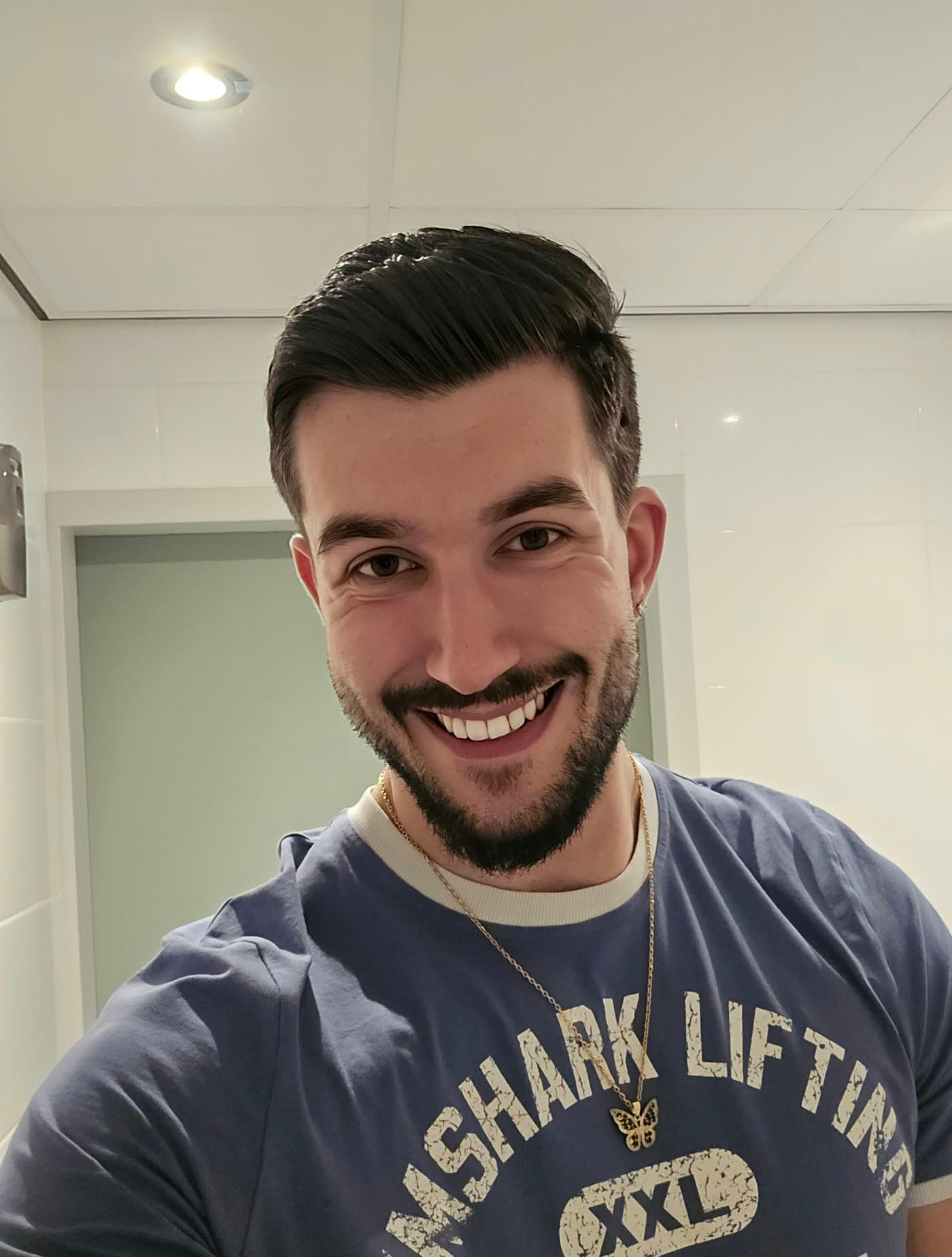
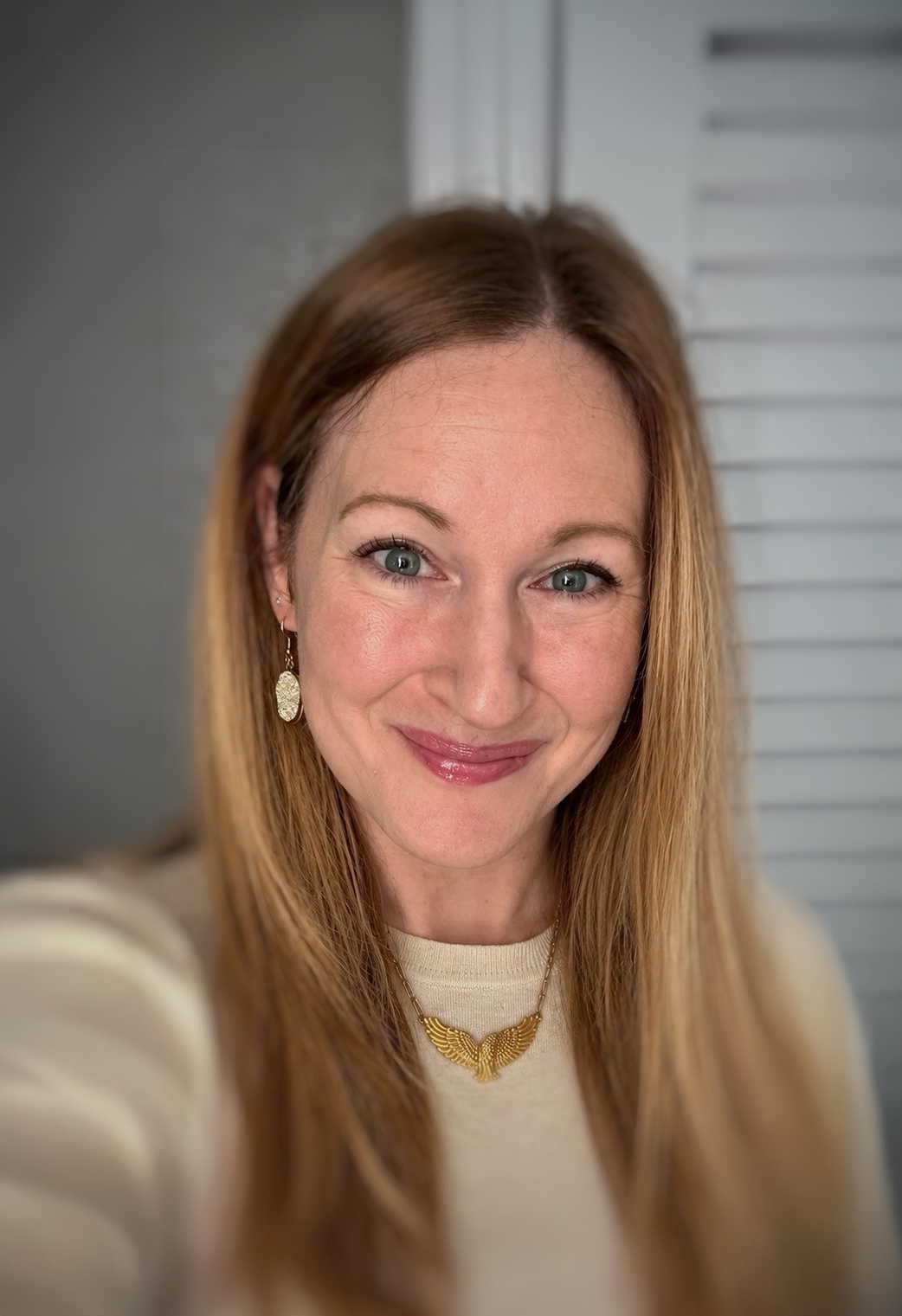


What is Von Willebrand Disease (VWD)?
VWD happens when Von Willebrand factor (VWF), a protein your body needs for healthy blood clotting, is missing, too low, or doesn't work the way it should. It's the world's most common inherited bleeding disorder, affecting an estimated 0.6%–1.3% of the global population, though far fewer are ever diagnosed.1 It affects men and women.3
For many people, the first signs of VWD aren't always easy to recognize. Frequent nosebleeds, heavy periods, or bleeding that won't stop after a dental procedure or surgery may seem normal to them. Because these symptoms can be easy to overlook, VWD may go unrecognized for years, sometimes a lifetime.4
Those experiences are real. And they deserve to be heard.
A voice for the Von Willebrand Disease community
VWD Alliance is a patient-led community giving power to the stories that have been overlooked for generations, ensuring every person living with Von Willebrand Disease is seen, heard and understood. Built on the belief that lived experience deserves to be shared, the VWD Alliance exists to raise awareness of Von Willebrand disease, support families, educate society, and amplify patient voices while working to improve access to care so future generations face fewer barriers and every voice is valued.
1926 — Today
For 100 years, people with VWD have been waiting for more.2,5
VWD was first identified in 1926, a century ago. Since then, treatment has evolved from plasma-derived therapies to desmopressin in the late 1970s and, more recently, recombinant Von Willebrand factor.2,5,6
But over the past 100 years, treatment options have remained limited. For people living with VWD, there is still a need for more options designed to address the realities of living with the disorder.2
The next chapter should be shaped by those who know VWD best: those living with it.

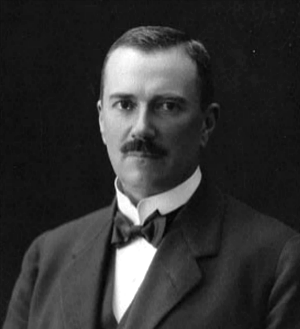
Von Willebrand Disease is first identified.2
For nearly 40 years, people are left waiting for effective treatment options.5
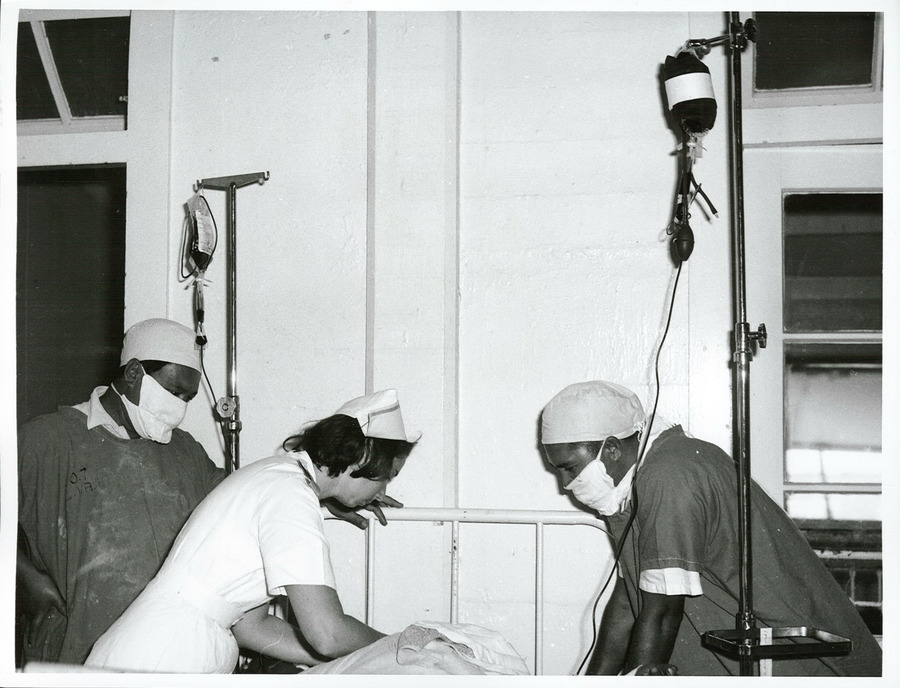
Early plasma-derived treatments emerge.5
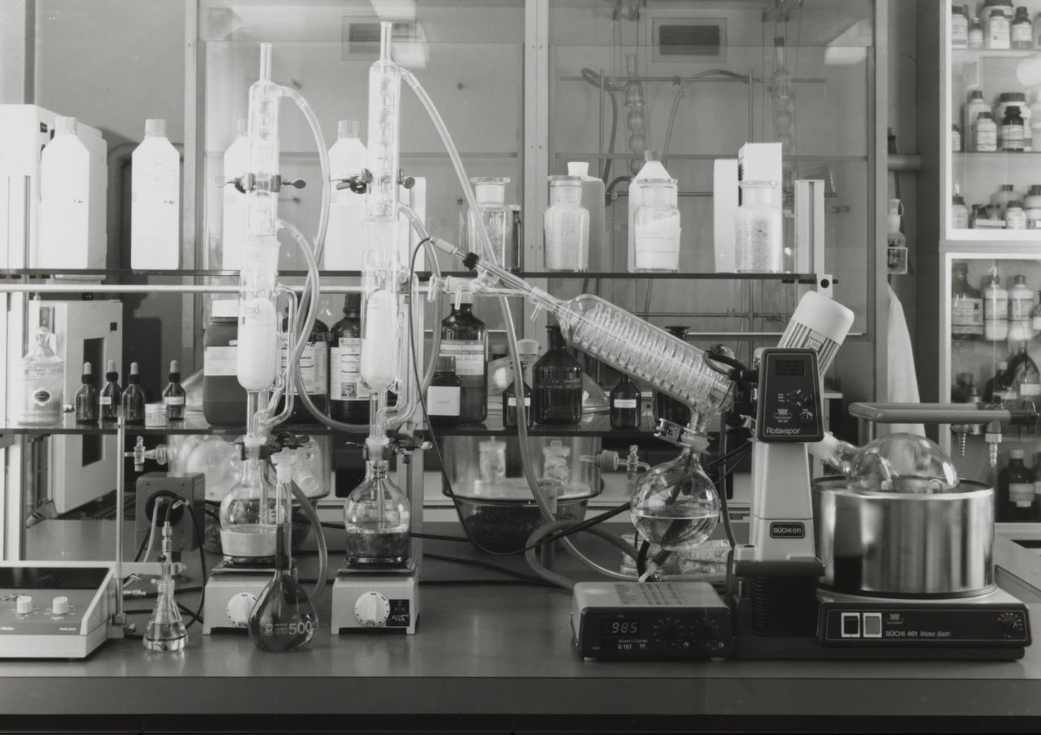
Zimmerman et al introduced the controversial hypothesis that VWF and FVIII were distinct molecules rather than a single shared protein.7
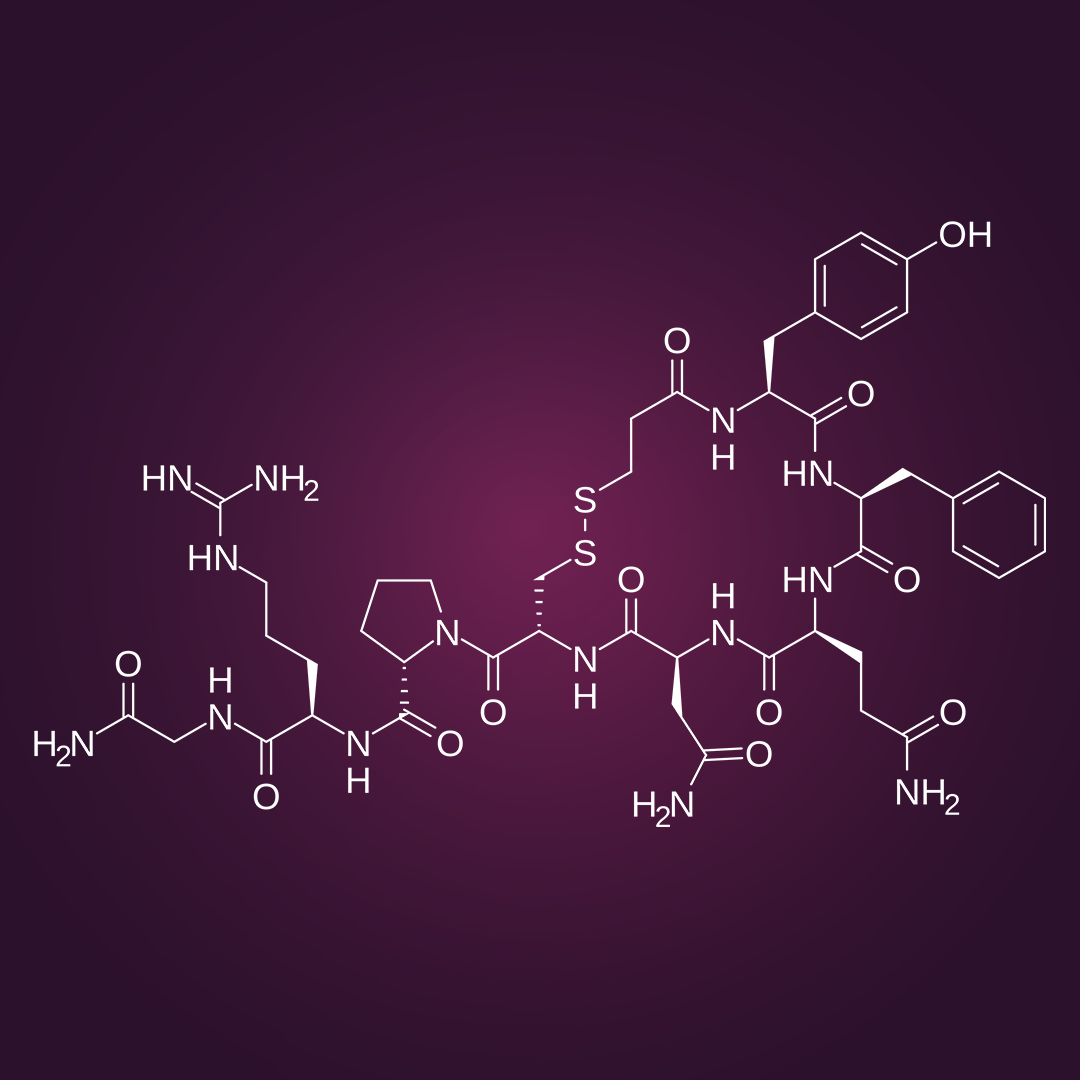
Desmopressin emerges as a treatment option.5
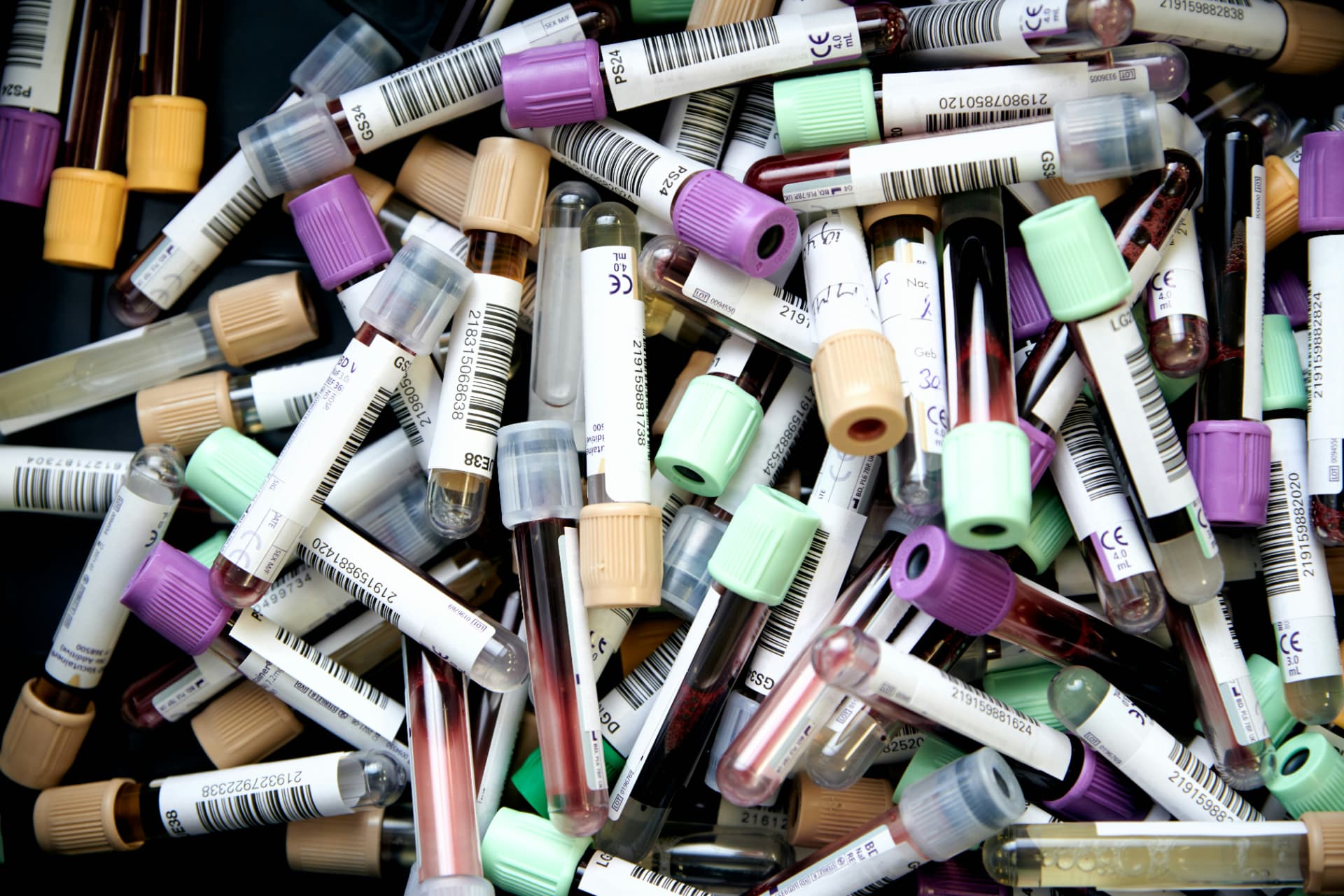
A tragedy for the bleeding disorders community
HIV and hepatitis C were passed on through some blood products used to treat bleeding disorders. Thousands of people around the world were infected, including people with VWD. Many lost their lives. This led to the virus-inactivation steps and donor screening used for plasma products today.8
Years turn into decades of refinement, with limited options still available.
VWF concentrates continue to evolve.5,9
Nearly 4 decades after desmopressin, another treatment option arrives.5,10
Recombinant von Willebrand factor is approved.10
Almost a century in, understanding of VWD has evolved, but slowly.
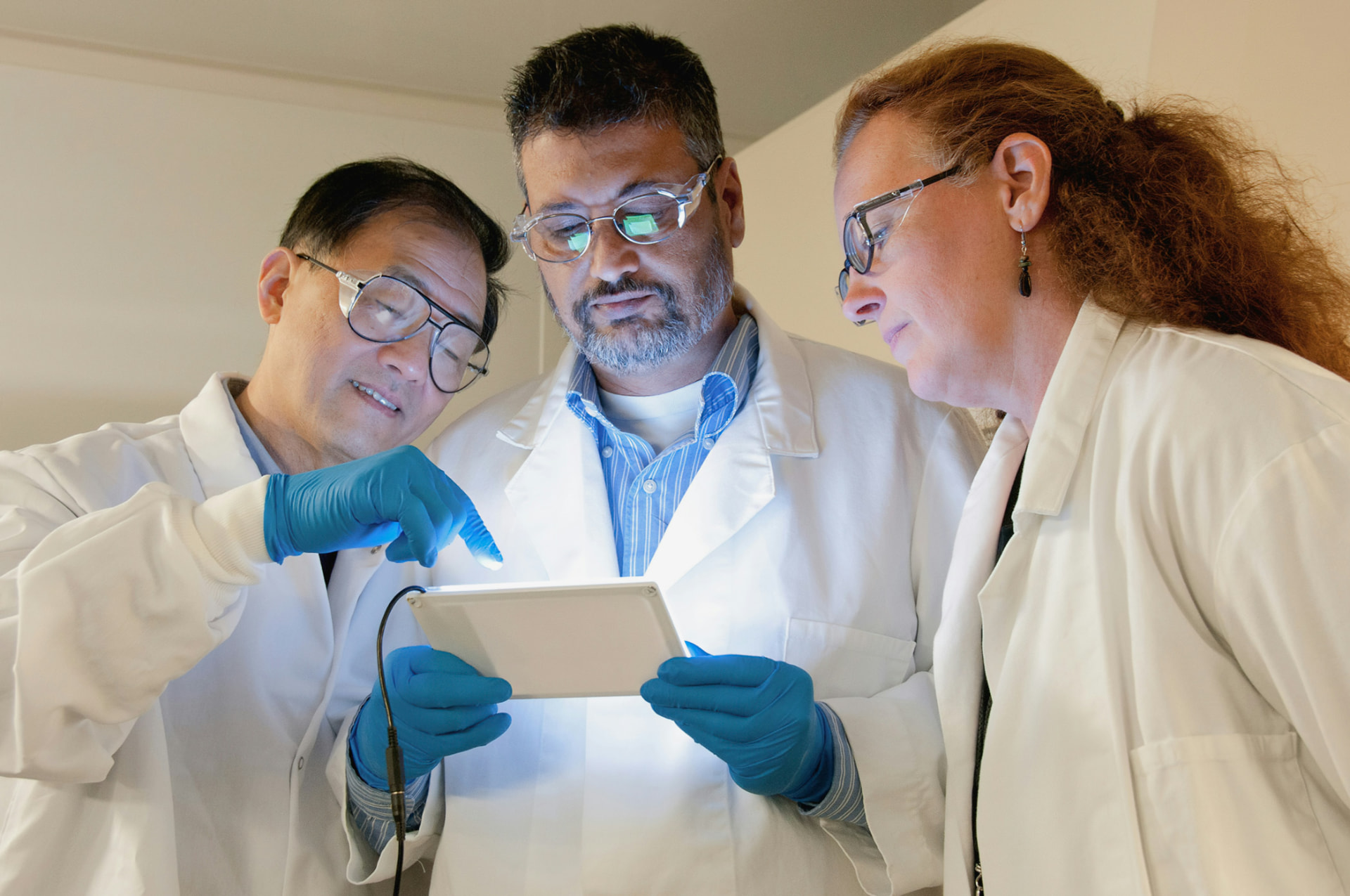
New global VWD guidelines gave doctors clearer standards for diagnosing and treating VWD.11
100 years after VWD was first identified, people living with VWD are still waiting for more.
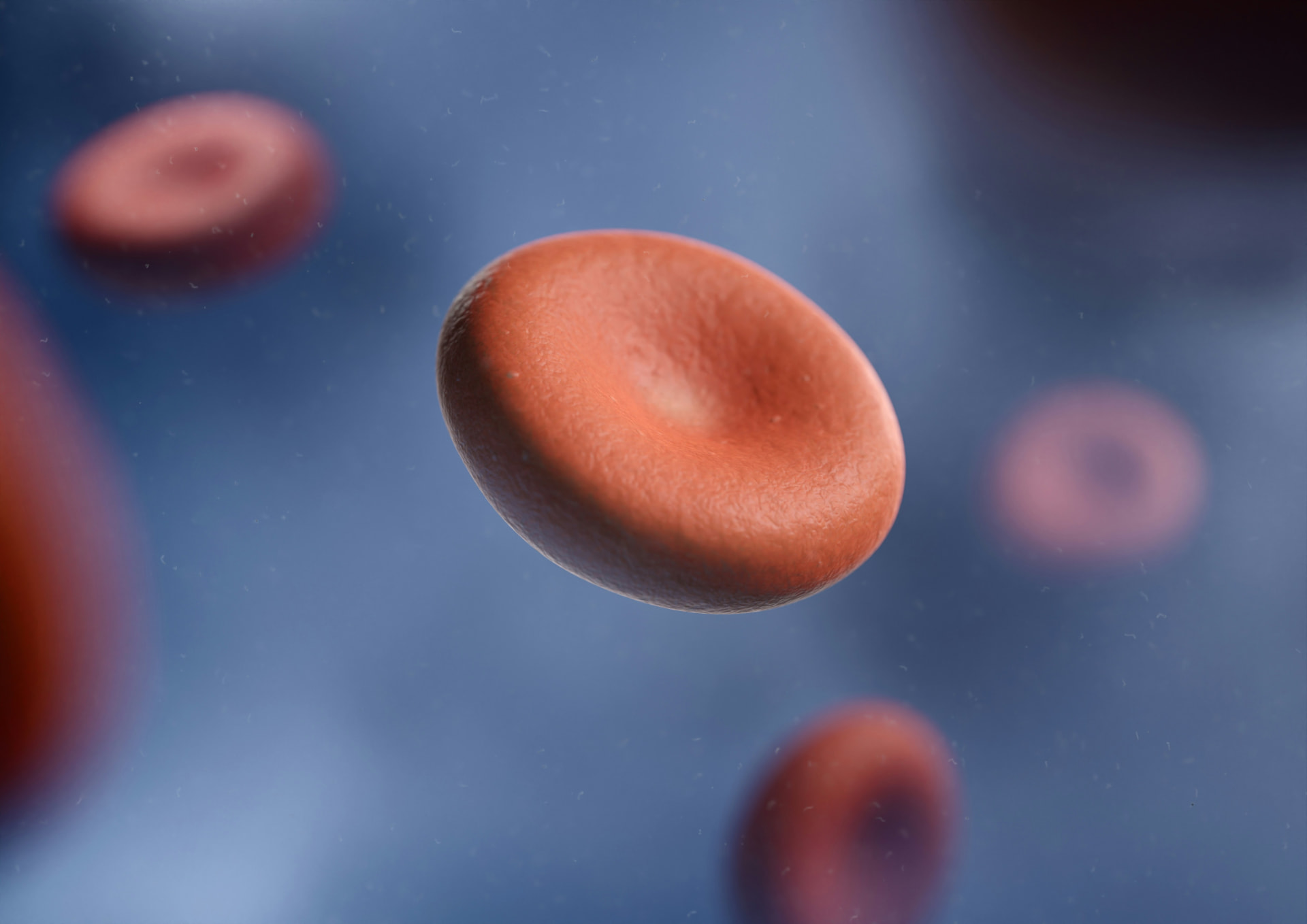
The unmet need remains.5
Your story can help move VWD forward
For generations, people with VWD have lived with experiences that can be difficult for others to see or understand including the symptoms that were dismissed, the years before diagnosis, the uncertainty, and the ways VWD can affect everyday life.
Your story can help someone else with VWD feel less alone. It can help others understand what living with VWD really looks like. And together, these stories can help make the need for continued progress impossible to ignore.
References:
1. VWD Alliance. What is von Willebrand disease? Accessed September 16, 2026. https://vwdalliance.org/what-is-von-willebrand-disease-vwd/ 2. Lassila R, Berntorp E. The landmark contribution by Erik von Willebrand. Haematologica. 2026;111(1):1-9. doi:10.3324/haematol.2024.286012 3. Kadir RA, James AH. Reproductive Health in Women with Bleeding Disorders. Treatment of Hemophilia No. 48. World Federation of Hemophilia; 2009. Accessed September 15, 2026. https://www1.wfh.org/publication/files/pdf-1206.pdf 4. Seidizadeh O, Abdul-Kadir R, Mannucci PM, Peyvandi F. Beyond a century of discovery: the global and persistent burden of underdiagnosis in von Willebrand disease. Res Pract Thromb Haemost. 2026;10(1):103359. Published 2026 Jan 20. doi:10.1016/j.rpth.2026.103359 5. Casari C, Leebeek FWG, Peyvandi F. Historical, current and future treatments for von Willebrand disease. Haematologica. 2026;111(1):54-66. doi:10.3324/haematol.2024.286037 6. Mannucci PM. Desmopressin (DDAVP) in the treatment of bleeding disorders: the first 20 years. Blood. 1997;90(7):2515-2521. 7. Flood VH, Haberichter SL. Biology of von Willebrand disease. Blood Adv. 2026;10(7):2417-2424. doi:10.1182/bloodadvances.2025016484 8. Makris M, O'Mahony B. Learnings from the United Kingdom infected blood inquiry. Res Pract Thromb Haemost. 2024;8(4):102458. Published 2024 May 23. doi:10.1016/j.rpth.2024.102458 9. Heijdra JM, Cnossen MH, Leebeek FWG. Current and Emerging Options for the Management of Inherited von Willebrand Disease. Drugs. 2017;77(14):1531-1547. doi:10.1007/s40265-017-0793-2 10. Castaman G, Linari S. Human von Willebrand factor/factor VIII concentrates in the management of pediatric patients with von Willebrand disease/hemophilia A. Ther Clin Risk Manag. 2016;12:1029-1037. doi:10.2147/TCRM.S87543 11. James PD, Connell NT, Ameer B, et al. ASH ISTH NHF WFH 2021 guidelines on the diagnosis of von Willebrand disease. Blood Adv. 2021;5(1):280-300. doi:10.1182/bloodadvances.2020003265
Images used with permission from the following:
TESTEX Chemistry Lab 1980, by Testex AG, licensed under CC BY-SA 4.0; Blood Transfusion 1965, photographer unknown, Archives New Zealand, via Wikimedia Commons CC BY 2.0; Erik Adolf von Willebrand ca 1915. Courtesy of Helsinki University Museum, via Wikimedia Commons.